



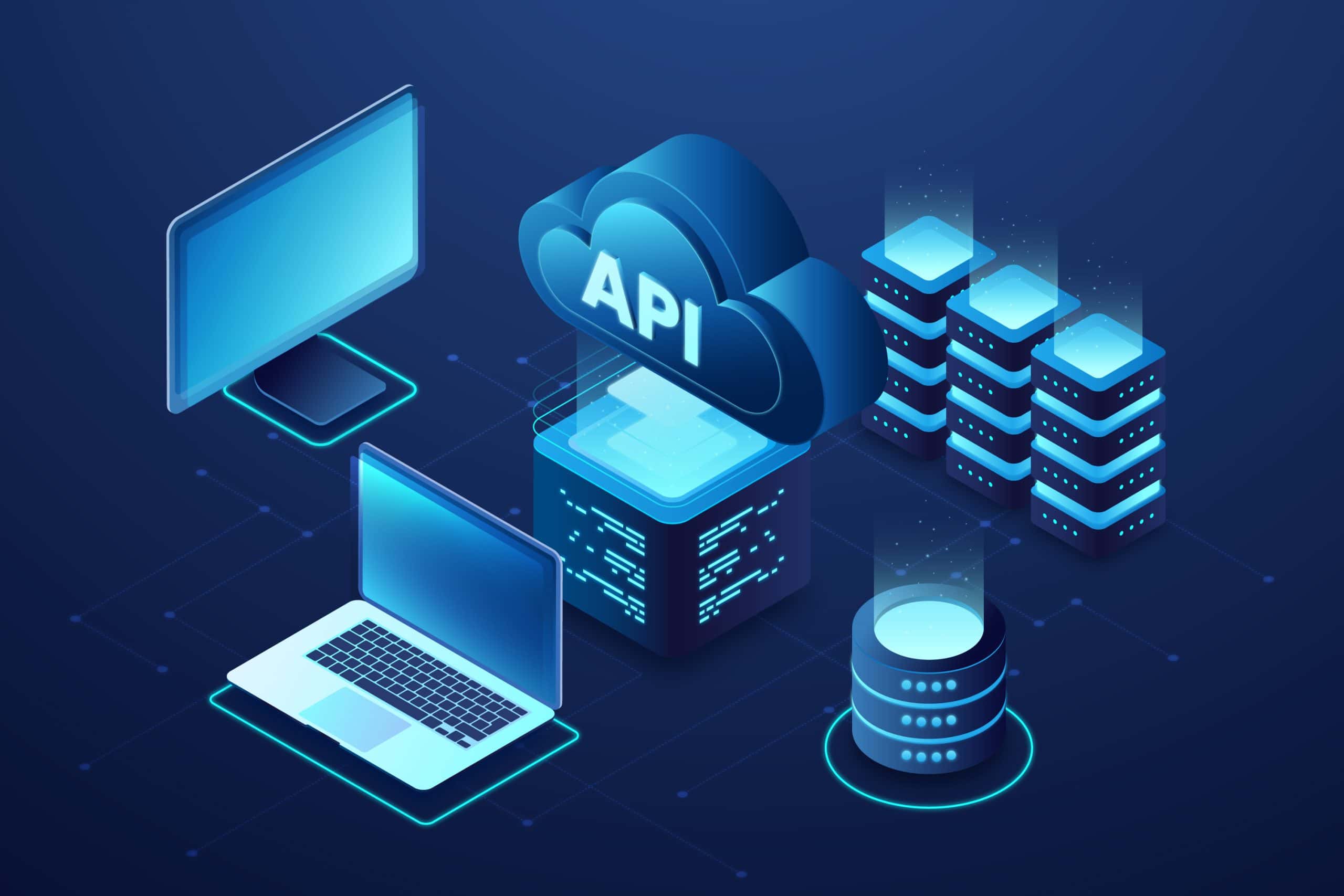
Quality on Demand (QoD) APIs connect enterprise applications directly to telecommunication core networks via programmable interfaces , allowing developers to dynamically request and reserve specific network resources. By modifying packet routing and prioritizing traffic flows at the carrier level, these APIs prevent packet loss and maintain latency below 20 milliseconds. This mechanism ensures uninterrupted bandwidth for mission-critical operations like remote robotics and holographic meetings, overriding default best-effort network delivery protocols.
How Do Developers Programmatically Prioritize Traffic Using QoD APIs?
Developers use Quality on Demand APIs to send POST requests containing specific data flow parameters, such as device IP, target bandwidth, and required latency thresholds, directly to the telecommunications provider’s gateway. The API translates this programmatic request into network-level commands, triggering the policy control function to elevate the priority of that specific IP traffic above standard background data. This intervention ensures that during periods of high cellular or network congestion, mission-critical packets are routed through optimized network paths, maintaining a 99.99% packet delivery rate.
What Are The Key Differences Between Dynamic QoD APIs And Traditional Static QoS?
Dynamic Quality on Demand APIs allocate network resources in real-time based on immediate application requests, whereas traditional Quality of Service (QoS) relies on pre-configured, static rules applied across entire network segments by administrators.
Explore Network-as-a-Service (NaaS) solutions to integrate scalable QoD capabilities directly into your enterprise architecture.
How Does 5G Network Slicing Complement Quality On Demand APIs?
5G network slicing provides the fundamental infrastructure that Quality on Demand APIs manipulate to isolate and guarantee bandwidth for specific traffic types. When an application triggers a QoD API, the network provider dynamically assigns a dedicated 5G slice tailored to exact latency and throughput requirements. This integration allows an enterprise to physically separate critical data flows, such as industrial IoT telemetry, from general consumer traffic, ensuring latency remains under 10 milliseconds regardless of overall cell tower load.
What Is The Lifecycle Of A QoD API Session?
A Quality on Demand API session initiates when an application authenticates and transmits a resource request specifying duration, device identifiers, and performance parameters. The network core validates the request against available capacity and provisions the requested bandwidth, returning a success token to the application. Throughout the active session, such as a 60-minute holographic meeting, the network maintains the reserved state and monitors telemetry to enforce the Service Level Agreement (SLA). Once the session concludes or the requested duration expires, the API automatically sends a termination signal, releasing the network resources back to the shared pool.
What Are The Network Prerequisites For Enterprise QoD Implementation?
Implementing Quality on Demand APIs requires specific architectural baselines to ensure programmable network requests execute without failure.
- Network-as-a-Service (NaaS) Compatibility: Core infrastructure must support CAMARA or GSMA Open Gateway API standards . Threshold: If NaaS integration score is <100% compliant with CAMARA, implementation =3D FAIL. Action: Upgrade provider gateway.
- End-to-End Latency Baseline: Current unoptimized network latency must be stable before dynamic routing is applied. Threshold: Average jitter >30ms =3D HIGH RISK. Action: Optimize local edge routing before applying QoD APIs.
- Device Authentication Capability: Endpoints must support secure, token-based identity verification. Threshold: OAuth 2.0 or mutual TLS absence =3D FAIL. Action: Implement cryptographic identity protocols on all edge devices.
What Are The Trade-Offs Before Implementing QoD APIs?
Deploying Quality on Demand APIs introduces specific architectural and financial considerations that require evaluation against application needs.
- Variable Cost Scaling: Because QoD APIs often operate on a pay-per-use model, continuous usage for non-critical applications can escalate costs beyond predictable static QoS budgets.
- Geographic Availability: API-driven network control relies on carrier-level support, which may lack uniform availability across rural or international deployment zones.
- Integration Complexity: Applications must be rewritten to handle asynchronous API responses, token management, and fallback protocols if the requested bandwidth cannot be provisioned.
Assess your current enterprise application latency to determine if API-driven bandwidth reservation aligns with your operational requirements.